
14 January 2026 / The ASSM Team
Strata Management Responsibilities Explained for New Owners

The day you settle on a strata property is also the day other people’s decisions start to matter just as much as your own. While you own everything inside your apartment or townhouse, you’re now part of a shared management structure where no one person controls areas everyone relies on, such as the roof, exterior walls, stairwells, lifts, gardens, driveways and shared services. This is where a strata manager comes in, and many new owners wonder what their responsibilities actually are. We’ve put together a guide to explain it all.
At All Suburbs Strata Management, after more than 40 years working with strata communities across Greater Sydney, Nepean and the Central Coast, we know these responsibilities inside and out. In shared living, your choices affect your neighbours and theirs affect you, with costs, responsibilities and risks shared along the way. Here’s what you need to know about your strata manager’s role.
Who appoints the strata manager, and what do they do?
In NSW, a strata manager gets appointed by the owners corporation, which is the legal body comprised of all lot owners. This is the only entity that can enter a strata management agreement, and is usually done by an ordinary resolution at an annual general meeting.
A strata manager acts strictly under delegated authority. They do not make independent decisions; instead, they simply implement what has been agreed upon in meetings or through committee instructions.
The strata manager’s role isn’t open-ended. It’s clearly set out in the agent agreement. In NSW, this is often based on SCA (NSW) model terms, although it can be tailored to suit the needs of the scheme. It outlines exactly what services are included, how much authority the manager has, reporting and financial limits, fees, how long the appointment lasts and how it can be ended.
As for what they do, strata managers handle the admin that keeps your building running smoothly. Essentially, their role includes things like issuing levy notices, coordinating maintenance once it’s been approved, organising insurance, preparing agendas and minutes, and making sure records are up to date. They also help keep the building compliant with NSW strata laws, but always under the direction of the committee or owners corporation.
We’ve established that strata managers “keep things running” — but what does that really involve? Here’s a quick, but comprehensive summary.
Responsibility | What It Involves | Why It Matters |
Record Keeping & Compliance | Record Keeping & ComplianceManaging the strata roll, filing meeting minutes, updating insurance records and maintaining financials for audits or inspections. | Accurate records protect everyone. They ensure transparency, help avoid disputes and support compliance. |
Repairs & Maintenance | Coordinating trades for approved works on common property. This includes quoting, scheduling and making sure the right contractors are engaged. | Timely maintenance keeps buildings safe, prevents costly damage and keeps residents happy. |
Legal & Regulatory Compliance | Making sure the scheme meets its obligations under laws like the Strata Schemes Management Act 2015 and WHS Act 2011. Includes regular fire safety checks and insurance renewals. | Non-compliance can lead to penalties or legal disputes. The strata manager helps prevent these risks. |
What strata managers are NOT responsible for
Because of the scope of what strata managers actually do, it can seem like they’re responsible for everything. That’s not the case. Some of the things that are outside their legal and practical responsibilities include:
– Acting as legal representatives in disputes
– Providing legal advice
– Enforcing by-laws without clear instruction from the committee
– Making final decisions on behalf of the owners corporation
– Mediating formal disputes without authorisation
– Undertaking or authorising unapproved work
– Overseeing the condition of individual lots, includin
What owners can expect from good strata management
Good strata management is founded on good communication. Owners and committees should expect regular updates about important issues like maintenance progress, professional meeting conduct and prompt responses to all queries that are lodged through official channels.
Efficient meeting facilitation
A competent strata manager keeps everyone accountable by accurately recording decisions and noting who is responsible for follow‑ups. They also ensure meetings run smoothly by issuing notices correctly and sharing agendas and documents beforehand, so owners can see what’s happening and what’s expected.
Support for the committee and owners
Strata managers have extensive experience and understanding of NSW strata regulation, which means they can guide committees and owners without taking control. They will explain relevant legislation, suggest best practice approaches and recommend contractors with the right qualifications for common property work. At the same time, they respect the bounds of their role and do not make decisions they don’t have the authority to make.
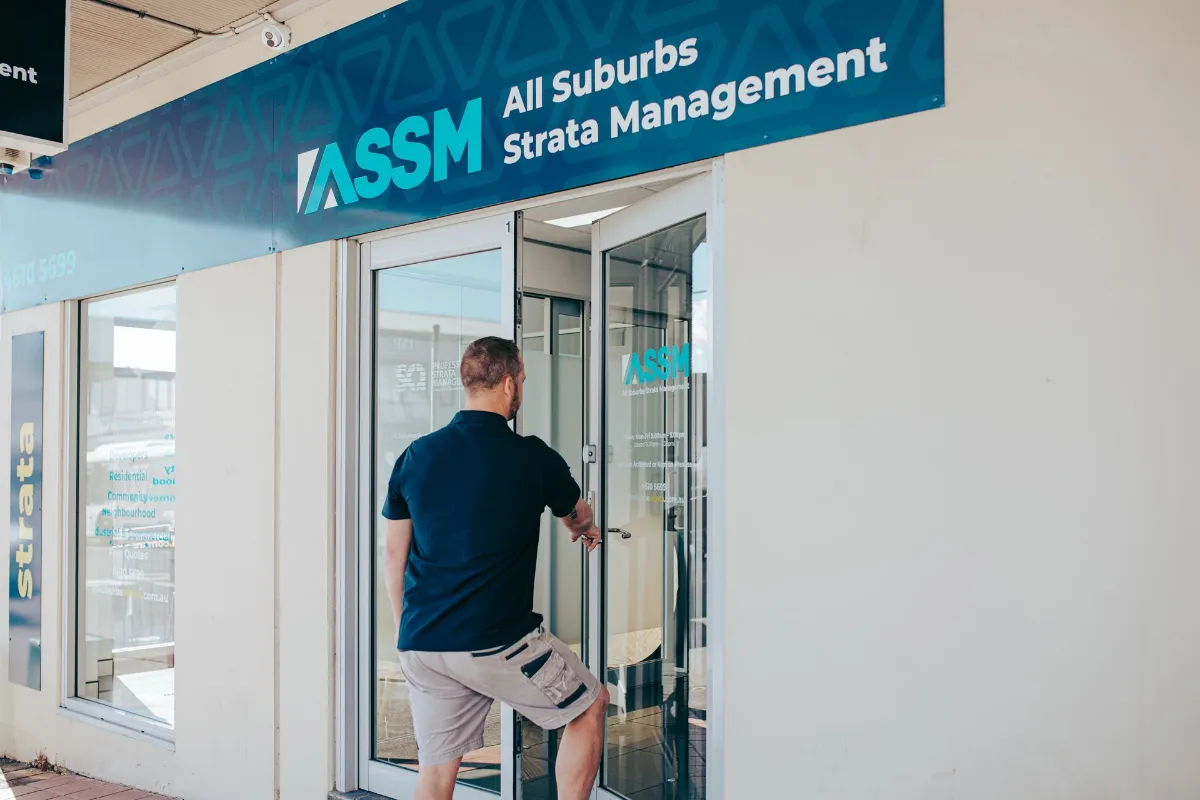
Why Choose All Suburbs Strata Management?
Understanding the role of your strata manager makes it easier to participate in the shared responsibilities that come with strata living. When everyone is clear on who does what, it sets a foundation for smoother communication, stronger compliance and more confident decision-making across the scheme.
At All Suburbs Strata Management, we help committees and owners make informed decisions by offering experienced, responsive support and transparent day-to-day management. Our experience covers residential, community, commercial, and industrial properties. If your current manager is not meeting expectations, contact our experienced team today. We will ensure a smooth and hassle-free handover.

Meet The Author
Matt Blewitt
Licensee in Charge / General Manager
Matt’s career began in property management, and he worked his way through a range of senior roles before returning to the family business. He now oversees ASSM strata portfolios with a practical focus on risk, consistency and keeping things running as they should. He believes clear communication, sound judgement and a willingness to own mistakes when they happen are the foundations of successful strata management.
What keeps Matt motivated is the people he works with, both within the team and across client communities. He understands the pressures owners and committees face and always balances compliance with common sense. This measured approach has been shaped by years on the ground and a genuine desire to do the job right, no matter the challenge.
We provide Australia’s most professional and comprehensive strata management services across Greater Sydney and other parts of NSW. Our expertise spans residential, community, commercial and industrial strata schemes. It’s easy to switch to All Suburbs Strata Management. See the extensive range of suburbs our certified strata managers oversee below.


Quick Links
Don’t see what you need?
Full list of Member Services here


FAQs
What are the responsibilities of a strata manager?
A strata manager is responsible for coordinating the day-to-day administration of the strata scheme. This usually includes organising meetings, managing financials (budgets, levies, invoices), maintaining records, handling correspondence, arranging repairs and contractors, and ensuring compliance with strata legislation and by-laws.
What is the difference between a strata manager and the strata committee?
The strata committee makes decisions on behalf of the owners corporation, while the strata manager carries out those decisions and manages administration tasks. The committee is elected by owners, and the strata manager is typically appointed to provide professional support and handle the ongoing workload.
Who is responsible for repairs and maintenance in a strata building?
In most cases:
- The owners corporation is responsible for common property repairs and maintenance (e.g. roof, external walls, shared plumbing, stairs, foyers).
- Individual lot owners are responsible for what’s inside their own lot (e.g. internal fixtures, flooring, appliances).
Responsibility can vary depending on the strata plan and local legislation.
Can the strata manager make decisions without the owners corporation?
Generally, no — strata managers usually can’t make major decisions without approval from the owners corporation or strata committee. However, they may have limited authority to act on urgent matters (like emergency repairs) if the management agreement allows it.
How do I know if my strata manager is doing their job properly?
Some signs your strata manager is performing well include:
- clear communication and timely responses
- accurate financial reporting and levy management
- proactive maintenance planning
- transparent contractor processes
- meetings organised properly and documents provided on time
If these areas are consistently poor, owners can raise concerns with the committee or review the strata management agreement.
What can I do if I have an issue with my strata manager?
Start by raising the issue in writing (email is best) and request a clear outcome or timeframe. If it isn’t resolved, escalate it to the strata committee or request it be added to the agenda for the next owners corporation meeting. In more serious cases, owners may be able to lodge a formal complaint or seek dispute resolution through the relevant state strata authority.