
10 August 2026 / Matt Blewitt
What New Owners Wish They Knew About Strata Sooner

Owning the keys and understanding what you’ve bought are two very different things. Unlike a standalone home, buying a strata property means purchasing an individual lot while also becoming part of an owners corporation with shared responsibilities. There are a few practical realities that may only become apparent after settlement or when the levies start coming in. Sure, you knew about those and budgeted for them, but other questions might soon follow. When is maintenance required, and who’s responsible for it? Do I have to vote on decisions?
At All Suburbs Strata Management, we have provided premier strata management services across Greater Sydney, the Nepean and the Central Coast for over 40 years. Knowing what to expect from the outset can save new owners from learning important lessons the hard way.
Levies are paying for more than what you can see
It can be difficult to connect a quarterly levy with what’s actually happening around the property. Most owners understand that the money from levies goes towards the expenses of the owners corporation associated with running and maintaining the scheme. Depending on the property type, this can include common property maintenance, cleaning, gardening, insurance, utilities for common areas and administrative fees. But sometimes it’s hard to see just how extensive that shared financial responsibility is. For new owners, it can be an adjustment to think beyond the costs associated with their individual lot, and the levy amount alone doesn’t always provide the full context. Contributions are usually calculated according to unit entitlement.
And not everything collected each time you pay levies is intended for immediate spending. In NSW, strata schemes divide finances into an administrative fund and a capital works fund. The administrative fund covers recurrent expenditure associated with daily operations, while the capital works fund is for major expenditure on common property over a longer period. It’s important to view the latter not as surplus cash that could have been left in your pocket as an owner, but as money being set aside for costs your scheme will eventually face. Even if your building seems in pristine condition today, you have to save and prepare for the future.
Two similar properties may have very different levy amounts because their costs, facilities, age and requirements vary. A lower levy doesn’t necessarily mean a scheme is being run well. Contributions may reflect genuinely low expenditure or leave the owners corporation short when unexpected costs occur. Likewise, high levies aren’t evidence of poor financial management. They may reflect known future requirements that are already being funded.
Your responsibility doesn't end at your front door
In strata, you own your individual lot, but the common property comes with shared responsibilities. Like maintenance. Common property can include areas and building elements, and sometimes the boundaries may not be immediately obvious to new owners. But it’s important to know the difference because when something needs attention, that’s what determines who needs to deal with it. Don’t automatically organise work for a common area without getting clarification, but likewise, don’t put off something that needs addressing for fear that you’ll be responsible for the cost.
Shared ownership means that common property decisions aren’t only relevant to the owners who live closest to the area of concern. They’re relevant to everyone. A project can also have practical consequences beyond the work area. Access requirements, temporary disruption and even the timing of works can affect other residents. This can be an adjustment for anyone used to living in a standalone property, where you only have to factor in your own needs.
You are also buying into an existing set of rules. Every strata scheme has by-laws that regulate aspects of how individual lots and common property can be used. It’s best to acquaint yourself with them early rather than assume the same rules apply to every strata property, particularly if you’re thinking about making alterations or completing renovations.
"A lower levy doesn’t necessarily mean a scheme is being run well."
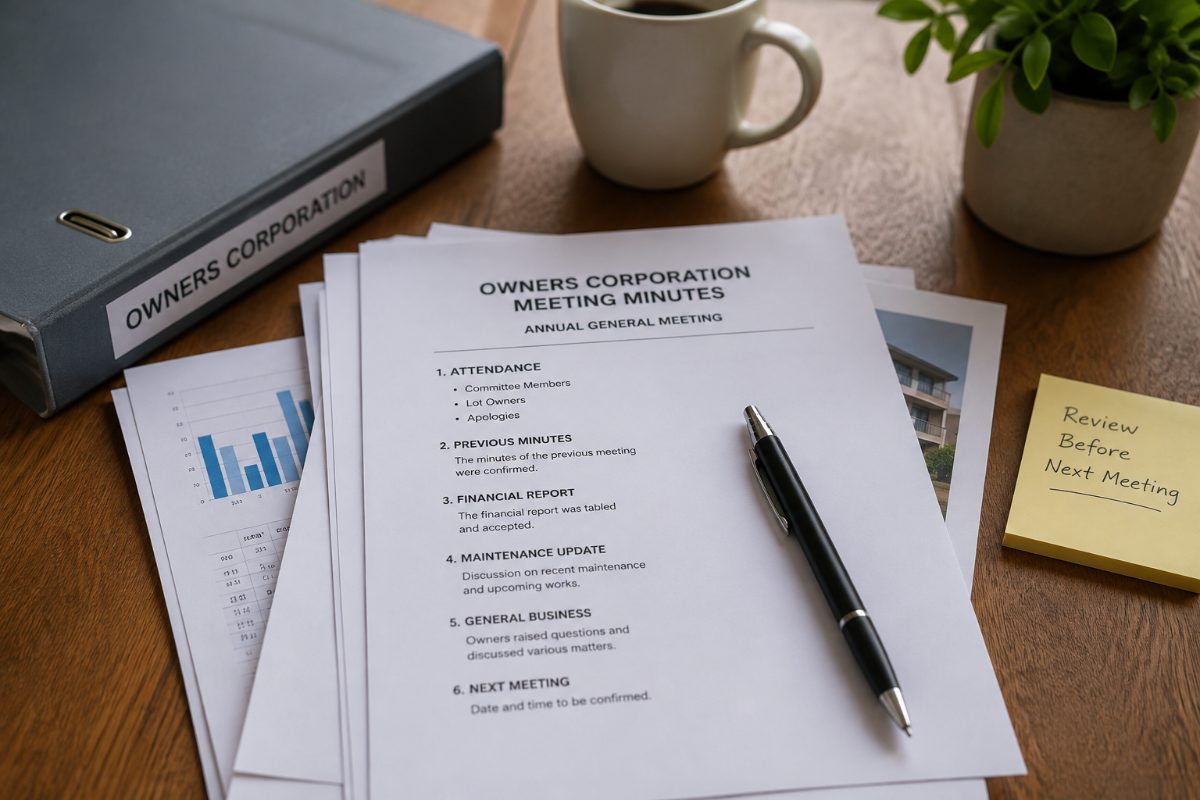
Those meeting notes are worth reading
Meeting minutes aren’t just administrative records. They can give owners a real snapshot of the scheme beyond their individual lot. They capture matters that were discussed, decisions that were made and issues that may still require attention. Depending on the meeting, this could include expenditure, maintenance items, approved works, voting outcomes and other matters affecting the scheme.
Just as valuable is the information provided beforehand, which gives you time to understand what’s on the agenda and what may be decided at the meeting. For example, the supporting material in the notes may provide the figures or background information needed for owners to understand what’s being asked of them. If not, they have time to ask questions and think through the implications of a proposal. This is especially useful for new owners who are still familiarising themselves with the building and the history behind certain matters.
Know who you’re actually dealing with
If you’re new to strata, it’s easy to blur the lines between the roles of the owners corporation, strata committee and strata manager. Every lot owner automatically becomes part of the owners corporation when they buy into the scheme. Collectively, owners are responsible for the scheme, including finances, common property, by-laws, insurance and other statutory responsibilities. The strata committee is elected to handle many daily operational matters on their behalf, while the strata manager performs the functions delegated to them.
Knowing who does what also makes it easier to know where to direct questions or requests. For example, in NSW, when common property needs repair, owners should contact their strata manager or committee. It can also remove a lot of confusion if new owners learn early who the committee members are, who the strata manager is and who to approach for different enquiries.
"Knowing who does what makes it easier to know where to direct questions or requests."
Why Choose All Suburbs Strata Management?
While it might seem like a lot to keep in mind, particularly when compared with owning a standalone property, there’s plenty to appreciate about strata living. You share the upkeep of the wider property, have a voice in how the scheme is managed and live within a structure designed to keep things organised. Knowing how it all works means you can enjoy those benefits without being caught off guard by the responsibilities that come with them.
At All Suburbs Strata Management, we have more than 40 years of experience working with residential, community, commercial and industrial properties. We know that being new to strata comes with plenty of questions, and having straightforward answers can make ownership much easier to navigate.
If your current strata manager is not meeting expectations, contact our experienced team to discuss your options. We can assist with a smooth and straightforward handover.

Meet The Author
Matt Blewitt
Licensee in Charge / General Manager
Matt’s career began in property management, and he worked his way through a range of senior roles before returning to the family business. He now oversees ASSM strata portfolios with a practical focus on risk, consistency and keeping things running as they should. He believes clear communication, sound judgement and a willingness to own mistakes when they happen are the foundations of successful strata management.
What keeps Matt motivated is the people he works with, both within the team and across client communities. He understands the pressures owners and committees face and always balances compliance with common sense. This measured approach has been shaped by years on the ground and a genuine desire to do the job right, no matter the challenge.
We provide Australia’s most professional and comprehensive strata management services across Greater Sydney and other parts of NSW. Our expertise spans residential, community, commercial and industrial strata schemes. It’s easy to switch to All Suburbs Strata Management. See the extensive range of suburbs our certified strata managers oversee below.


Quick Links
Don’t see what you need?
Full list of Member Services here


Frequently Asked Questions
What do strata levies actually pay for?
Strata levies contribute towards the expenses associated with running and maintaining the scheme. Depending on the property, these can include common property maintenance, cleaning, gardening, insurance, utilities for common areas and administrative fees. Contributions are usually calculated according to unit entitlement.
Why does my strata scheme collect money for future expenses?
In NSW, strata finances are divided into an administrative fund for recurrent expenditure and a capital works fund for major common property expenditure over a longer period. This means some of the money collected through levies is being set aside for costs the scheme expects to face later rather than being spent immediately.
Does a lower strata levy mean the scheme is managed well?
Not necessarily. Different properties have different costs, facilities, ages and requirements, so levy amounts can vary considerably between schemes. Low contributions could reflect genuinely low expenditure or leave the owners corporation short when unexpected costs occur, while higher levies may be funding known future requirements.
How do I know who is responsible for strata maintenance?
Responsibility depends on whether the affected area is part of an individual lot or common property, and that distinction may not always be obvious to a new owner. If common property needs repair in NSW, owners should contact their strata manager or strata committee rather than automatically organising the work themselves.
Why should new strata owners read meeting information?
Meeting records can provide useful context about expenditure, maintenance, approved works, voting outcomes and matters that still require attention. Information supplied before a meeting can also help owners understand the agenda, ask relevant questions and think through the implications of proposals being discussed.
What is the difference between the owners corporation, strata committee and strata manager?
Every lot owner becomes part of the owners corporation, which is collectively responsible for the scheme. The strata committee is elected to handle many daily operational matters on its behalf, while the strata manager performs functions delegated to them. Understanding these roles helps new owners know who to approach with different questions or requests.