
2 June 2026 / Matt Blewitt
How Long-Term Planning Works in Strata Without Overcomplicating It
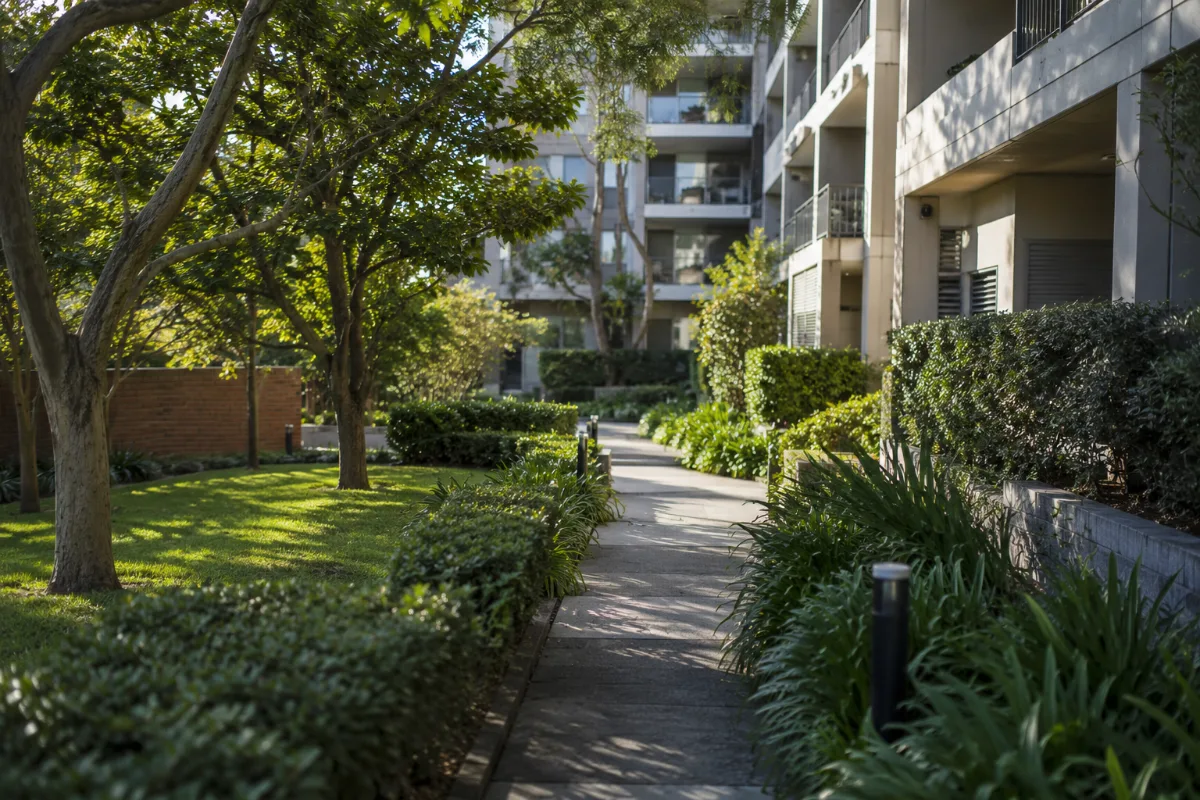
Buildings age whether anyone is thinking about it or not. Most strata owners hear terms like capital works fund, maintenance planning and forecasting and assume the scheme’s future is highly complex. In reality, good long-term planning should simplify things. Being organised and proactive helps reduce unnecessary surprises and makes the road ahead far easier to navigate.
At All Suburbs Strata Management, we have provided premier strata management services across Greater Sydney, the Nepean and the Central Coast for over 40 years. We know that committees are in a stronger position to manage repairs, maintenance and costs when they can see potential issues before they become urgent.
Looking ahead is part of managing a building properly
The whole point of long-term planning is identifying likely future needs before they become urgent present issues. It’s preventative. Obviously, we can’t predict everything down to the letter, but it is possible to carefully give the owners corporation a reasonable framework from which they can make decisions. Planning also helps committees that may already be in a reactive cycle start considering things in advance. This is one of the main reasons NSW legislation requires a capital works fund.
All buildings will age and deteriorate over time, even when they are maintained meticulously. Common property elements such as roofs, lifts, driveways, external painting, waterproofing, lighting, fencing and shared spaces will all eventually require attention of some kind. Part of the long-term planning process is having a good look at these known future obligations.
Once these obligations are estimated and factored in, a scheme has more time to prepare financially. It also allows for more time to obtain quotes, assess options, prioritise projects and schedule the works appropriately.
Capital works funds are a key part of the process
So, what is a capital works fund? It’s money set aside by the owners corporation for significant common property expenditure. While day-to-day operational spending is kept in an administrative fund, a capital works fund is intended for larger building-related costs. Examples include roof replacement, external painting, lift upgrades, driveway resurfacing and waterproofing projects.
Under the Strata Schemes Management Act 2015, most NSW owners corporations must have and prepare a capital works fund plan covering at least 10 years. This is because the legislation recognises that buildings require ongoing investment throughout their lifespan. The plan considers anticipated common property expenditure over that period.
Contributions to the fund are made through levies. While some owners may view this as another cost, the purpose is to ensure money is being set aside for when it is needed.
“Committees are in a stronger position when they can see potential issues before they become urgent.”
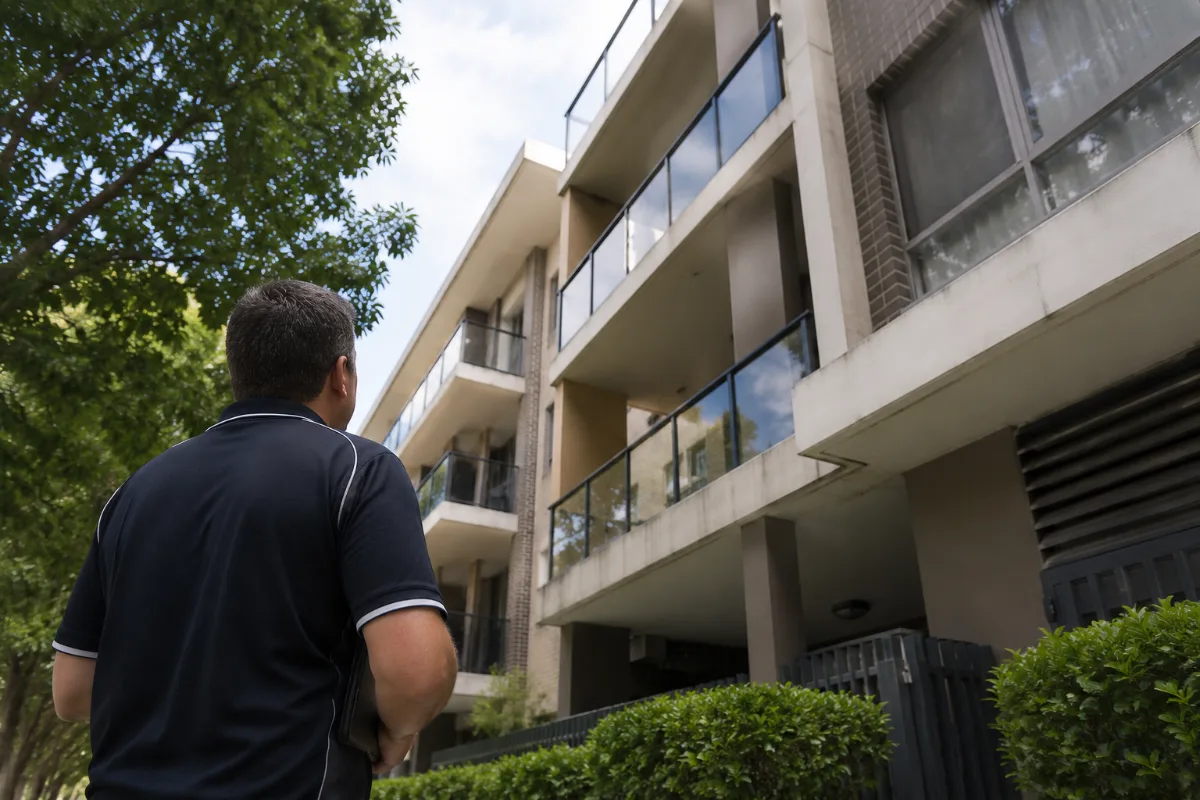
Planning should be reviewed, not forgotten
Everything changes over time. Buildings. The condition of common property. And so do the construction, repair and contractor costs associated with maintaining them. Additionally, despite best efforts, new issues can arise that were not anticipated when the plan was first prepared. Priorities can also shift as different assets approach the end of their useful life.
That’s why plans aren’t supposed to be produced and then forgotten. NSW legislation takes this into account, requiring capital works fund plans to be reviewed at least every five years. Many schemes even choose to review them more regularly than that, particularly after major projects, significant changes to the building or updated condition reports. This helps ensure they remain relevant to the property’s actual condition and needs.
As circumstances evolve, reviews help reassess anticipated expenditure and identify projects that may need to happen sooner or later than originally expected. Costs can also be updated to reflect current market conditions, and committees can ensure levy contributions remain aligned with projected costs.
No two strata schemes will plan the same way
Long-term planning is never a one-size-fits-all exercise. Different strata properties have different facilities, infrastructure and maintenance obligations. For example, the priorities for a smaller apartment complex may look very different to those of a building with lifts, pools, basements, security systems, extensive landscaping or shared recreational spaces.
Older buildings may have more components approaching replacement or renewal, but age is only one factor when determining planning priorities. A newer building can still have significant maintenance needs depending on its design, facilities and maintenance history. Construction quality, previous upgrades, environmental exposure and the condition of common property can all influence what attention may be required and when.
A building’s maintenance history often shapes what attention it is likely to receive in the years ahead. If schemes have been consistent with maintenance, they will generally have fewer concerns than those dealing with deferred works. This is why long-term planning has to reflect the specific characteristics of a building rather than follow a set formula.
“No two strata schemes will face the same priorities, which is why planning should never follow a generic formula.”
Why Choose All Suburbs Strata Management?
Long-term planning often sounds more complicated than it really is. At its core, it is simply about understanding a building, keeping information current and making informed decisions as circumstances change.
At All Suburbs Strata Management, we understand how small, consistent planning decisions today can make future decisions easier and less stressful. With more than 40 years of experience across residential, community, commercial and industrial properties, our team brings the knowledge needed to support organised, well-managed strata communities.
If your current strata manager is not meeting expectations, contact our experienced team to discuss your options. We can assist with a smooth and straightforward handover.

Meet The Author
Matt Blewitt
Licensee in Charge / General Manager
Matt’s career began in property management, and he worked his way through a range of senior roles before returning to the family business. He now oversees ASSM strata portfolios with a practical focus on risk, consistency and keeping things running as they should. He believes clear communication, sound judgement and a willingness to own mistakes when they happen are the foundations of successful strata management.
What keeps Matt motivated is the people he works with, both within the team and across client communities. He understands the pressures owners and committees face and always balances compliance with common sense. This measured approach has been shaped by years on the ground and a genuine desire to do the job right, no matter the challenge.
We provide Australia’s most professional and comprehensive strata management services across Greater Sydney and other parts of NSW. Our expertise spans residential, community, commercial and industrial strata schemes. It’s easy to switch to All Suburbs Strata Management. See the extensive range of suburbs our certified strata managers oversee below.


Quick Links
Don’t see what you need?
Full list of Member Services here


Frequently Asked Questions
Why is long term planning important for strata properties?
Long term planning helps an owners corporation identify future maintenance, repairs and renewal projects before they become urgent. This gives committees more time to budget, prioritise works and make informed decisions about common property expenditure.
What is a capital works fund in NSW strata schemes?
A capital works fund is money set aside by the owners corporation for significant common property expenses such as roof replacement, external painting, waterproofing or lift upgrades. It is separate from the administrative fund, which covers day to day operational costs.
How often should a capital works fund plan be reviewed?
Under NSW legislation, capital works fund plans must be reviewed at least every five years. Many schemes choose to review them more frequently following major projects, significant building changes or updated condition reports to ensure the plan remains relevant.
How does a strata manager support long term building planning?
A strata manager can help committees maintain current information about the building, consider future maintenance obligations and support informed decision-making. Effective strata management also helps owners corporations assess costs, obtain quotes and schedule works appropriately as needs arise.
Do newer and older strata buildings require different planning approaches?
Yes. While older buildings may have more assets approaching renewal or replacement, factors such as construction quality, facilities, environmental exposure and maintenance history can influence planning priorities for any property.
Why doesn't every Sydney strata scheme have the same capital works priorities?
Different buildings have different infrastructure, facilities and maintenance obligations. A smaller apartment complex may have very different requirements to a strata property with lifts, pools, security systems, basements or extensive shared spaces, which is why planning should be tailored to the building’s specific needs.