
9 February 2026 / Matt Blewitt
What to do When Strata Issues Affect Your Apartment
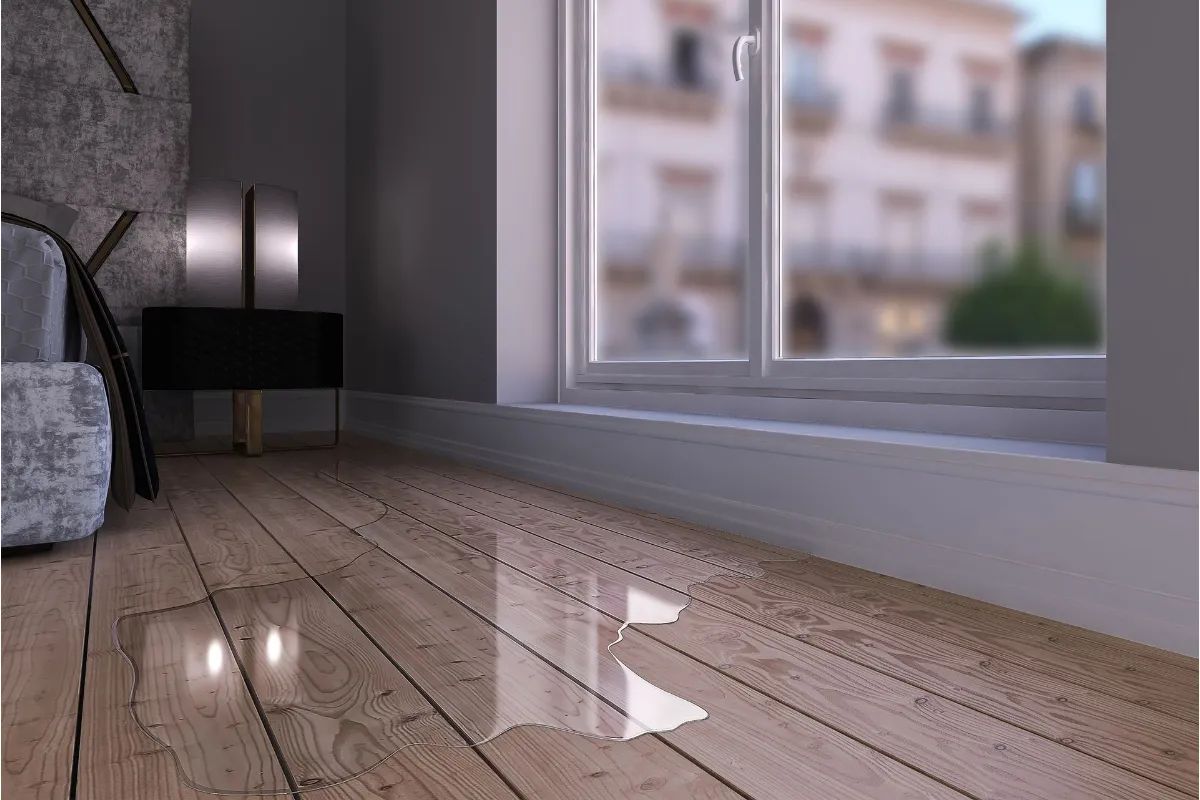
When a problem crosses from the building into your home, it stops feeling abstract and starts feeling personal very quickly. Strata issues sit somewhere between your apartment and parts of the building you don’t control, and it can be hard to know what to do about them. The answer is that it depends on what it is and what’s causing it. Some matters originate from shared building elements, while others sit entirely within the owner’s responsibility.
At All Suburbs Strata Management, after more than 40 years working with strata communities across Greater Sydney, the Nepean and the Central Coast, we understand the structured process for fixing issues in shared living conditions. It often involves documentation, inspection and review before decisions are made, with committee or owner approval sometimes required. Outcomes are not always immediate, particularly where multiple parties are affected. Here’s what you need to know to manage expectations and reduce frustration.
Understanding whether the issue is strata responsibility
In NSW, responsibility is determined by what forms part of the individual lot versus what is classified as common property under the registered strata plan. Lot property typically includes everything within the internal surfaces of an apartment, such as the interior walls, floor coverings, and fixtures and fittings that serve only that unit. Structural elements of the building, shared infrastructure like roofs, external walls, slabs, common plumbing, waterproofing membranes, stairwells, lifts and shared services are common property.
It’s worth keeping in mind that even if a problem appears inside an apartment, it can still be the strata’s responsibility if the issue originates in common property.
Issue type | Typically strata responsibility | Typically owner responsibility |
Water leaks | Leaks originating from common plumbing, roof structures or external walls | Leaks caused by taps, washing machines or pipework serving only the apartment |
Structural issues | Cracks caused by building movement or failure of structural elements | Cosmetic cracking or damage not linked to structural faults |
Services and infrastructure | Failure of shared services such as main water pipes, drainage or electrical infrastructure | Issues with services installed solely for the lot |
Waterproofing | Waterproofing membranes that form part of common property | Waterproofing added as part of owner renovations, unless otherwise approved |
Responsibility is ultimately decided by your strata plan. For clarification on any issues, please speak with your strata manager.
Before going ahead with any repairs or escalating an issue, it’s a good idea to check the strata plan and all relevant by-laws. These documents are what committees and managers will refer to when allocating responsibility. Overlooking them can lead to delays, disputes or costs landing with the wrong party.
How to formally raise a strata issue
The manner in which you raise a strata issue often determines whether it moves forward or stalls. It can certainly be tempting to mention it to someone of note casually, but these matters need to follow a structured process if they are to be rectified. Without clear details, there is no shared record of mention or action, which makes it difficult for strata managers or committees to properly assess the situation or progress it through formal decision-making.
What is the correct procedure? In NSW, issues within strata schemes should be raised through the strata manager or, where appropriate, the strata committee. It’s usually done by submitting the concern in writing, so it can be recorded, assessed, and, if required, tabled for discussion or approval.
The best possible way to ensure your issues are addressed is to provide clear information and evidence to help decision-makers understand both the cause and the impact. Photos, dates, a brief timeline, and a description of how it’s affecting your apartment or common property are all essential in making investigation and action possible. It also helps reduce back-and-forth and avoid assumptions.

What to expect from the strata process
Even when strata issues affect individual apartments, they take time to resolve and are not usually dealt with immediately. They first need to be acknowledged, assessed and moved through the correct channels, as explained above. Timeframes depend on the nature of the issue, whether inspections are required and whether a decision can be made under existing delegations or needs to wait for a meeting.
How do committees assess and prioritise these concerns? This is done based on urgency, safety risk, compliance obligations and impact on common property or multiple lots. Matters that present health, safety or legal risks come before cosmetic or non-urgent items. Budget availability and previously approved works can also influence timing.
If you have an issue and you’re wondering why it’s taking so long, it’s because it can’t be acted on without first understanding the cause, scope and cost involved. Inspections help confirm responsibility, quotes establish pricing and owner or committee approval may be required where spending exceeds delegated limits or affects common property. These steps take time, and they’re required under NSW strata legislation to ensure decisions are properly authorised and documented.
When and how to escalate the issue
Sometimes, escalation is necessary, and sometimes it’s not appropriate. If an issue has been raised formally, enough time has passed for assessment, and there has been no response or clear path forward, it may be time to take the next step. However, this isn’t appropriate where an issue is still under review, awaiting inspection, quotes or a committee decision, or where the matter sits outside strata responsibility.
To start the escalation process, a follow-up in writing to the strata manager or committee is a good start. Make sure to reference earlier correspondence. If the issue is still unresolved, owners can request that it be included in the agenda for a committee meeting or general meeting. In some cases, submitting a formal motion allows the matter to be discussed and voted on by the owners corporation.
Where internal processes have been followed, and an issue still hasn’t been resolved, owners can seek assistance through NSW Fair Trading, which offers mediation for strata disputes. This step isn’t common and is generally treated as a last resort. If mediation does not lead to an outcome, owners can apply to the NSW Civil and Administrative Tribunal (NCAT) for a binding determination.
Why Choose All Suburbs Strata Management?
When strata issues affect your apartment, knowing who’s responsible and how to proceed is important for the most efficient resolution possible. Don’t delay the process. Start the conversation early.
At All Suburbs Strata Management, we support our members in matters of dispute resolution, including broader strata issues affecting their property. With more than 40 years working across residential, community, commercial and industrial schemes, we help owners corporations meet their obligations and manage their buildings with confidence.
If your current strata manager is not meeting expectations, contact our experienced team to discuss your options. We can assist with a smooth and straightforward handover.
We provide Australia’s most professional and comprehensive strata management services across Greater Sydney and other parts of NSW. Our expertise spans residential, community, commercial and industrial strata schemes. It’s easy to switch to All Suburbs Strata Management. See the extensive range of suburbs our certified strata managers oversee below.


Quick Links
Don’t see what you need?
Full list of Member Services here


FAQs
What counts as a strata-related issue affecting my apartment?
A strata issue is one that intersects between your private lot and shared parts of the building — for example, leaks from a common roof or structural cracking that impacts your interior. These often require committee or strata manager involvement to resolve.
Who is responsible for fixing a problem — me or the strata?
Responsibility depends on where the issue originates. Interior fixtures and fittings inside your lot are generally your responsibility, while structural elements, common plumbing and waterproofing typically fall to the owners corporation. Checking your strata plan and by-laws clarifies this.
How should I formally raise a strata issue?
You should submit your concern in writing to your strata manager or strata committee. Written reports create a clear record that can be assessed, inspected, and, if needed, discussed and approved at meetings.
Why does it take time to get strata issues resolved?
Strata matters usually follow a process: acknowledgement, inspection, assessment, approval and then execution. Safety, compliance and impact on multiple lots often determine prioritisation and can extend timeframes
What can I do if my strata issue isn’t being addressed?
If formal channels stall, you can follow up in writing, request inclusion on a meeting agenda, or ask for mediation via NSW Fair Trading. If unresolved, you may escalate to the NSW Civil and Administrative Tribunal (NCAT).
Do I need to refer to by-laws and strata plans?
Yes. By-laws and your registered strata plan outline responsibilities, standards and procedures. Referencing them helps avoid misunderstandings about who should fix what and supports your case when raising issues.