
26 June 2026 / Matt Blewitt
Why Some Strata Schemes Run Into Financial Stress and Others Do Not
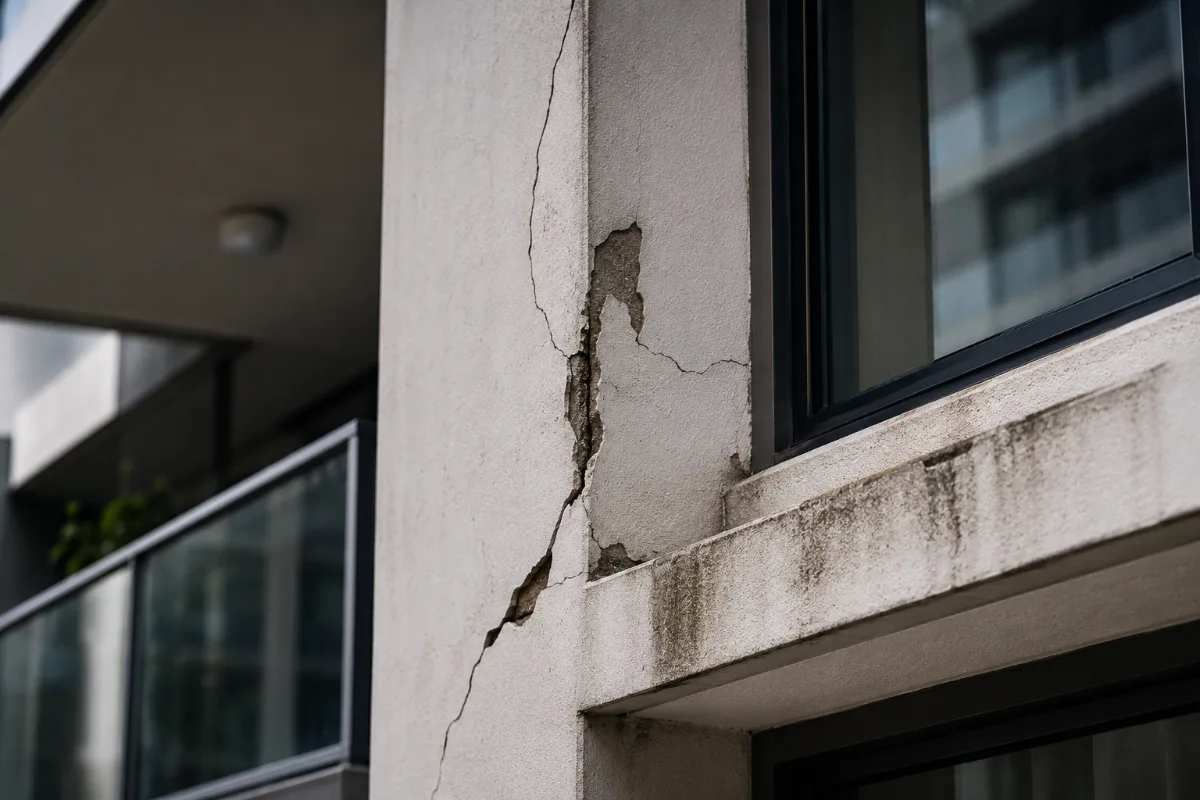
Small choices have a way of shaping much bigger outcomes. It’s those decisions that ultimately determine whether a strata scheme runs into financial stress. All schemes face increasing costs at some point, but that does not automatically mean they are under pressure. With years of proactive planning, good maintenance decisions and proper budgeting, schemes can remain healthy long term.
At All Suburbs Strata Management, we have provided premier strata management services across Greater Sydney, the Nepean and the Central Coast for over 40 years. Understanding what separates financially successful schemes from struggling ones is what will help owners corporations make informed decisions for the future.
It’s unusual for financial stress to appear overnight
Yes, unexpected events happen in the strata world, but they are not the most common cause of financial strain. Storm damage can create immediate costs, but schemes with adequate reserves and realistic long-term planning are generally equipped to respond without immediately relying on special levies or postponing other essential works. That is what the capital works planning required by NSW law is for. Real financial difficulties arise when major maintenance has been anticipated but not sufficiently funded, or has been repeatedly deferred.
The reality is that most major building costs are foreseeable. Roofs, waterproofing, lifts, driveways, external painting, fire systems and other common property assets all have finite service lives. Everyone knows this. Because the exact timing can vary, it is up to the owners corporation to plan for these future expenses through the capital works fund rather than treating them as unexpected.
So how does underfunding happen? Usually, it begins with good intentions. Committees may be reluctant to recommend higher levies, particularly during difficult economic times. However, when levy contributions do not reflect anticipated expenditure, a gap eventually develops between available funds and future financial obligations. Annual budgets need to account for this. Likewise, the temptation to delay maintenance until the fund is healthier can be strong, but waiting too long can increase both the complexity and cost of repairs as defects and wear progress.
Reactive decision-making creates uncertainty. When maintenance is only addressed once problems become urgent, committees have less time to obtain competitive quotes, prioritise works or spread costs over time. Proactive planning provides greater flexibility.
More on the role of levies and capital works planning
Levies need to reflect the building’s needs, not public opinion. Committees can sometimes feel pressured to keep them low, but if they do not cover the cost of current and future maintenance, the shortfall will eventually need to be addressed.
There is often a misconception that higher levies automatically mean a poorly managed scheme. In reality, levy amounts say very little on their own. A building with lifts, pools, extensive landscaping or ageing infrastructure will naturally have different funding requirements to a smaller complex with fewer shared assets.
Planning is an ongoing exercise. Buildings age, contractor costs fluctuate and priorities evolve. Levy contributions should be reviewed regularly alongside the capital works fund plan rather than remaining unchanged for years.
"Financially stable schemes aren't lucky or accidental. They are the result of consistent choices."

Why maintenance decisions affect financial outcomes
Not every repair has to be done immediately, but every repair should be assessed deliberately. Owners corporations are constantly balancing urgency, available funds, contractor availability and the broader maintenance schedule. Deciding what can reasonably wait, and what cannot, is not always straightforward.
Different maintenance issues carry different levels of risk. Replacing worn carpet in a common area is very different from delaying waterproofing repairs, concrete remediation or roof maintenance, where deterioration can continue while the work is postponed.
And the condition of one asset can also affect another. Take water ingress, for example. It might seem like a relatively contained issue at first, but over time it can damage concrete, finishes and internal areas, increasing the scope of the required repairs.
Maintenance decisions affect more than the immediate repair budget. Well-maintained common property helps preserve the condition of the building, reduces the chance of issues spreading and can limit disruption for residents. That is why delaying work should never be treated as a saving without first considering what the delay may cost later.
Strong financial management starts with informed decisions
Financial management is only as strong as the quality of the information available to support decisions. Strata committees need current budgets, accurate records and realistic maintenance priorities to build a clear picture of what the building requires next. A strata manager can help organise that information and guide the process, but the decisions ultimately rest with the owners corporation. That is why it is so important for committees to be engaged and understand the information in front of them.
According to NSW Government guidance, strata finances are usually managed by a treasurer or strata manager, and a budget must be prepared so the owners corporation knows how much money is needed for the year ahead. Regular reviews also help prevent old assumptions from driving new decisions, as budgets, capital works forecasts and maintenance priorities can all become outdated.
Having an experienced strata manager to help oversee financial management, coordinate quotes, budgets, records, meeting papers and practical next steps can make the decision-making process far more organised and effective.
"Levies need to reflect the building's needs, not public opinion."
Why Choose All Suburbs Strata Management?
Financially stable schemes aren’t lucky or accidental. They are the result of consistent choices. By understanding future obligations, maintaining appropriate funding and making sound decisions, owners corporations put themselves in the best position to manage costs and respond when the unexpected happens.
At All Suburbs Strata Management, we have more than 40 years of experience working with residential, community, commercial and industrial properties. We help owners corporations take a practical, organised approach to financial management, budgeting and long-term planning.
If your current strata manager is not meeting expectations, contact our experienced team to discuss your options. We can assist with a smooth and straightforward handover.

Meet The Author
Matt Blewitt
Licensee in Charge / General Manager
Matt’s career began in property management, and he worked his way through a range of senior roles before returning to the family business. He now oversees ASSM strata portfolios with a practical focus on risk, consistency and keeping things running as they should. He believes clear communication, sound judgement and a willingness to own mistakes when they happen are the foundations of successful strata management.
What keeps Matt motivated is the people he works with, both within the team and across client communities. He understands the pressures owners and committees face and always balances compliance with common sense. This measured approach has been shaped by years on the ground and a genuine desire to do the job right, no matter the challenge.
We provide Australia’s most professional and comprehensive strata management services across Greater Sydney and other parts of NSW. Our expertise spans residential, community, commercial and industrial strata schemes. It’s easy to switch to All Suburbs Strata Management. See the extensive range of suburbs our certified strata managers oversee below.


Quick Links
Don’t see what you need?
Full list of Member Services here


Frequently Asked Questions
Why do some strata schemes experience financial stress while others do not?
Financial stress rarely develops because of one unexpected event alone. More often, it results from a combination of underfunding, deferred maintenance and decisions that leave an owners corporation less prepared for foreseeable building costs.
Does a higher levy always mean a strata scheme is poorly managed?
No. Levy amounts should reflect the needs of the building rather than be viewed in isolation. A property with lifts, pools, ageing infrastructure or extensive common areas will naturally have different funding requirements to a smaller scheme with fewer shared assets.
Why is the capital works fund so important?
The capital works fund helps owners corporations prepare for significant future expenses rather than treating them as unexpected costs. Reviewing levy contributions alongside the capital works fund plan helps ensure funding remains aligned with the building’s changing needs.
How can delaying maintenance affect a strata scheme financially?
Not every repair requires immediate action, but delaying the wrong work can increase both the complexity and cost of repairs. For example, issues such as water ingress may spread beyond the original problem and affect other parts of the building if left unresolved.
What role does a strata manager play in financial management?
A strata manager can help coordinate budgets, financial records, quotes, meeting papers and other practical aspects of financial management. The owners corporation remains responsible for making decisions, but organised information and regular reviews support better decision making.
Why should owners corporations review budgets and maintenance plans regularly?
Buildings, contractor costs and maintenance priorities change over time, so financial planning should change as well. Regular reviews help ensure budgets, capital works planning and maintenance priorities continue to reflect the building’s current and future requirements.