
7 November 2025 / Matt Blewitt
The strata guide to saving water this summer
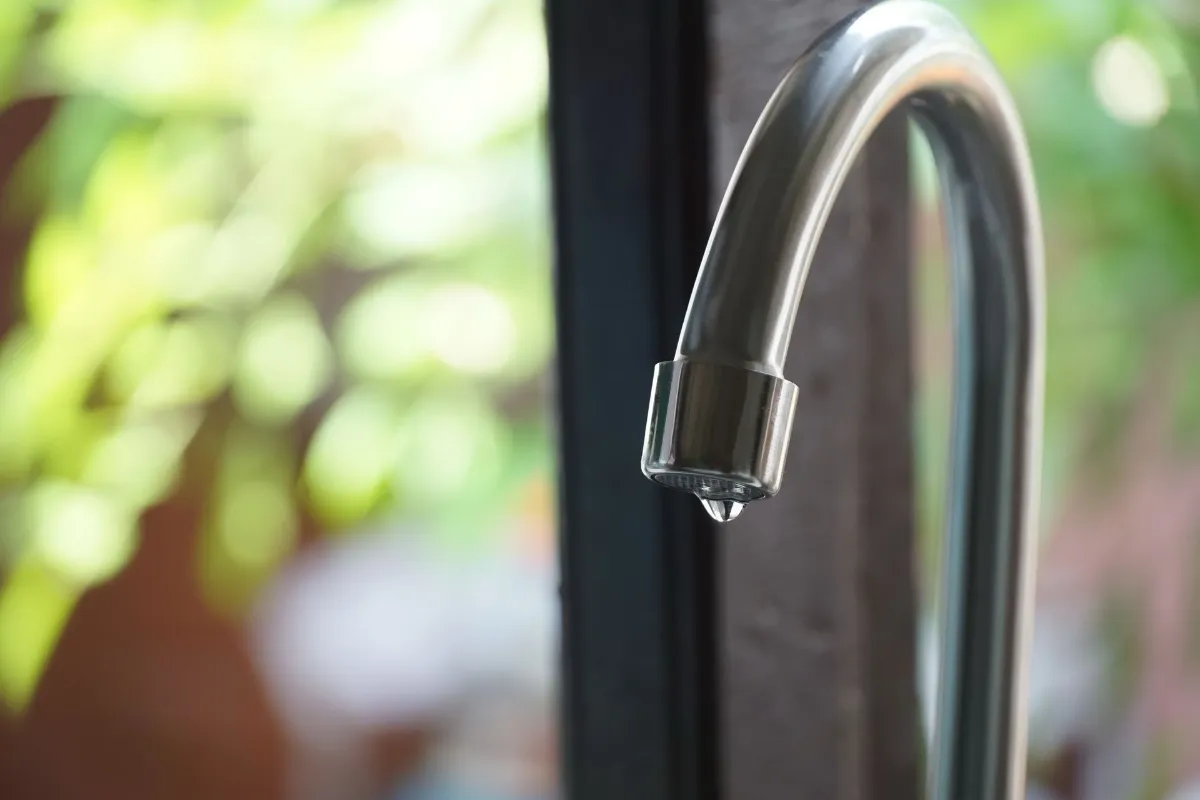
When the heat rises, so does the demand for every drop of water necessary in keeping strata communities running. This is high-density living, and shared water supply systems mean higher overall usage from showers, laundry, and garden maintenance, especially through summer. Small inefficiencies can quickly accumulate to increased waste and shared costs. This guide to saving water in summer explores practical ways to keep consumption under control.
At All Suburbs Strata Management, we have over 40 years of experience in residential strata management in Greater Sydney, Nepean and the Central Coast. NSW has seen its fair share of water restrictions over the years, so it’s sensible for strata schemes to be cautious about usage. Simple, consistent habits can make a big difference to both efficiency and expenses.
Understanding water usage in strata schemes
In most strata buildings, water is needed across a mix of shared and private areas. The amount consumed can be significantly influenced by a building’s design and its effective management. In schemes without individual meters, it can be difficult to see where the most water is being used. Gardens, cleaning systems and other common facilities can also add to demand, which is why regular checks and simple efficiency measures can have a real impact.
The Water Management Act 2000 governs water use in NSW and outlines how water resources should be shared and protected. While the legislation doesn’t directly specify strata schemes, it establishes the expectation that all users manage water responsibly. For strata committees, this consequently means maintaining adequate infrastructure and addressing waste as part of general building management.
The NSW Water Efficiency Program promotes smarter water use. For strata schemes, this might involve upgrading fixtures, periodically checking for leaks, or adjusting irrigation systems to use only what’s needed. Even modest changes can make a significant difference in lowering running costs (and wasteful usage).
Practical water-saving measures for strata committees and residents
One of the easiest ways to cut water use is to update everyday fixtures. Taps, showerheads and toilets with high WELS (Water Efficiency Labelling and Standards) will consume far less water without negatively affecting performance, and will provide tangible cumulative savings across the community. Including efficiency checks as part of routine maintenance will ensure consistent, long-term benefits.
Gardens and outdoor areas often use more water than people realise. Native and drought-tolerant plants are a good choice for planting as they need less watering and handle dry weather well. Irrigation is most effective when the sun is low, and checking the system occasionally helps ensure water reaches the soil instead of evaporating or spilling onto paths.
In buildings equipped for it, captured rainwater or recycled greywater can be used for tasks such as garden irrigation or cleaning shared spaces.
Residents also play an important role in managing water use. Small changes, such as reporting leaks promptly, turning taps off properly, and using only what is really needed, can have a noticeable impact on keeping shared and individual costs to a minimum.
Policy, governance and collaboration
The owners corporation and strata committee are actively involved in how water is used and maintained. They make decisions on repairs, upgrades and future planning, and can organise contractors for specialist work. Each choice they make helps keep the building compliant, efficient and running smoothly.
By-laws and internal policies give strata committees the structure they need to do all of that effectively. They define responsibilities for maintaining shared spaces, outline repair management and set clear parameters for communal areas. Reviewing these documents periodically ensures they remain up to date and enables the committee to address new issues before they escalate.
Accurate information is essential for committees to make informed decisions. Smart meters and regular usage checks help identify leaks or faults that need attention, and sharing updates with residents promotes transparency. It also helps residents see how their own water use contributes to the building’s overall consumption.
Financial and environmental benefits
Lowering usage in strata buildings has a direct impact on water bills. When common areas and individual residents are conservative with water, there will be fewer sudden levy increases and unexpected costs.
The NSW Government’s cost–benefit analysis guidelines for water conservation offer a clear process for assessing which improvements are worth investing in. They encourage evidence-based decisions, not assumptions, by measuring the real impact of any upgrades.
Being careful with water doesn’t just save money; it reflects well on the building and the people who run it. A strata community that uses water sensibly shows it’s managed with care, which can make the property more appealing to buyers and residents who value responsibility and long-term thinking.

Why Choose All Suburbs Strata Management?
Being responsible with water management helps future-proof a strata scheme. Each upgrade, repair and conscious change in how water is used eases pressure on shared systems and strengthens the building’s long-term stability.
At All Suburbs Strata Management, we’ve seen how thoughtful water consumption supports the ongoing resilience of a strata scheme. When people take care to use resources wisely, the whole community benefits.
Need a strata manager you can rely on? ASSM brings over 40 years of expertise across residential, community, commercial and industrial properties. If your current manager is falling short, contact our experienced team today. We’ll ensure the handover is smooth and hassle-free.

Meet The Author
Matt Blewitt
Licensee in Charge / General Manager
Matt’s career began in property management, and he worked his way through a range of senior roles before returning to the family business. He now oversees ASSM strata portfolios with a practical focus on risk, consistency and keeping things running as they should. He believes clear communication, sound judgement and a willingness to own mistakes when they happen are the foundations of successful strata management.
What keeps Matt motivated is the people he works with, both within the team and across client communities. He understands the pressures owners and committees face and always balances compliance with common sense. This measured approach has been shaped by years on the ground and a genuine desire to do the job right, no matter the challenge.
We provide Australia’s most professional and comprehensive strata management services across Greater Sydney and other parts of NSW. Our expertise spans residential, community, commercial and industrial strata schemes. It’s easy to switch to All Suburbs Strata Management. See the extensive range of suburbs our certified strata managers oversee below.


Quick Links
Don’t see what you need?
Full list of Member Services here


FAQs
Why is saving water important for strata properties in summer?
Summer brings higher water use and strain on local supplies. For strata schemes, reducing water use can lower costs, support sustainability goals and reduce wasteful usage across the entire community.
How can strata managers identify and fix water leaks?
Strata managers can schedule routine inspections of common property plumbing (taps, toilets, pipes) and use water monitoring tools to detect unusual usage patterns early — fixing leaks quickly saves large volumes of water.
How should outdoor areas be managed to save water in summer?
Outdoor spaces often use the most water. Strategies such as drip irrigation, drought-tolerant plants, mulching and watering in the early morning or evening can significantly reduce waste.
What are simple ways to reduce water usage in a strata complex?
Common measures include updating fixtures to water-efficient models, checking for leaks regularly, and optimising irrigation schedules so plants are watered in cooler parts of the day to reduce evaporation.
Can upgrading to water-efficient fixtures make a noticeable difference?
Yes — replacing old taps, showerheads and toilets with low-flow or high WELS-rated fixtures reduces water use per use without compromising performance and cumulatively cuts consumption across the community.
Will water-saving efforts lower strata levies or operating costs?
Yes — reducing overall water use can lower utility bills for the whole strata scheme, which can help keep levies stable and support long-term budget forecasts.