
19 February 2024 / Matt Blewitt
Do I need approval for renovations to my strata property?
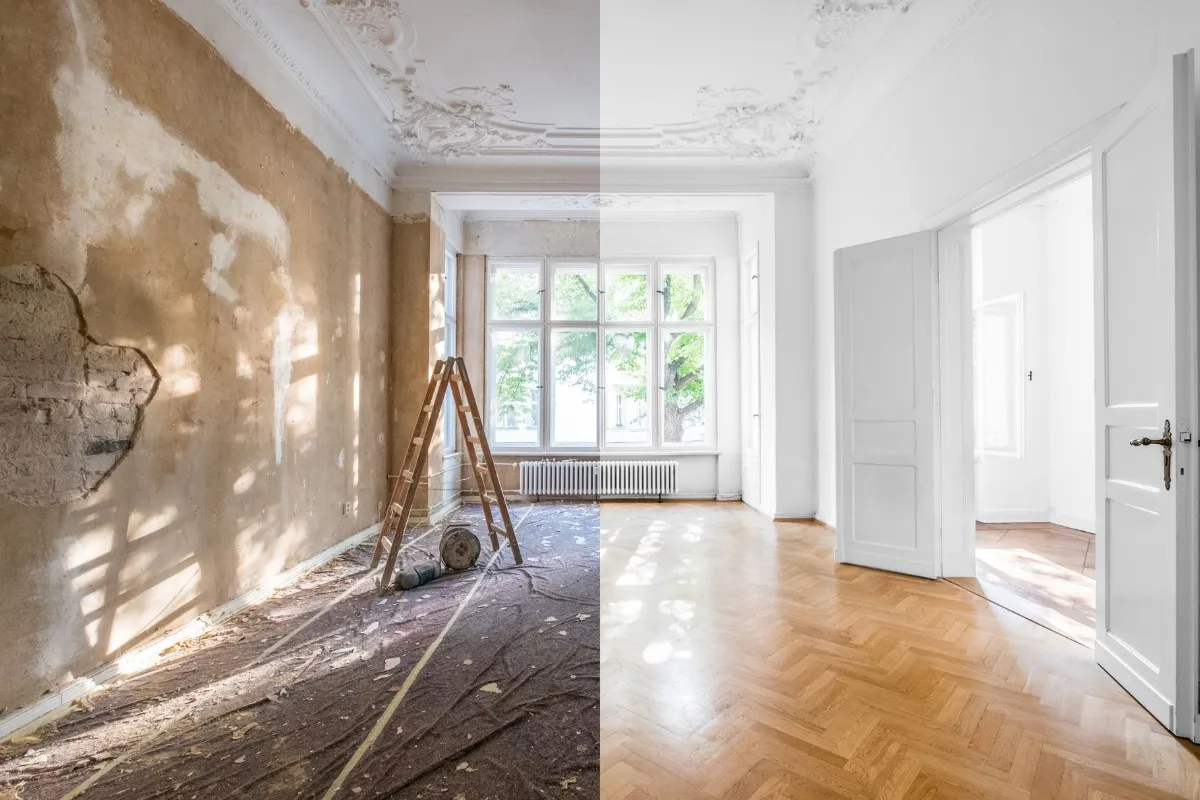
Embarking on a renovation journey for your property is like giving it a fresh coat of personality. It’s your chance to breathe new life into your living space, turning it into a reflection of your style and preferences. But what if you live in a strata property? You might be wondering whether your renovations to your strata property require approval.
With over 40 years of experience in Sydney strata management, ASSM can provide a straightforward answer: it usually depends, but likely yes. Cosmetic changes, like those not affecting the structure or exterior and without waterproofing, generally don’t need approval.
For clarity on cosmetic work, you should consult your bylaws. Common examples include handrails, blinds, painting and minor wall repairs. However, both minor and major renovations do require approval.
What are minor and major renovations?
Both minor and major renovations require approval, and failure to obtain approval can result in having to pay money to restore the property to the way it was before you undertook the renovations.
For minor renovations, you should contact the owners corporation, strata committee or managing agent. You must provide plans, work dates, tradespeople details and, for flooring, an acoustic certificate. Then, submit your changes to a vote at a strata meeting. This will require over 50% approval.
Minor renovations shouldn’t alter the structure or exterior or require waterproofing. Some examples of minor renovations include kitchen changes, flooring, wiring, rainwater tanks and air conditioners. For a better understanding of minor renovations, consult your bylaws.
Major renovations can only be approved by the owners corporation and require a special resolution vote (no more than 25% against) at an AGM or general meeting. For any structural changes, you need to provide 14 days’ notice. Major renovations include alterations to the exterior or structure, changes requiring waterproofing, ceiling modifications or any work needing approval from the council. Common examples of major renovations are moving internal walls, bathroom renovations, access ramps or false ceilings. You should also ensure that all of your contractors have a valid license.
Additional considerations
Before demo day, there are a few additional considerations, such as finances. Have you accounted for all renovation costs, including a buffer for potential setbacks? It’s also advisable to consult your strata insurance provider to understand how renovations may affect your coverage.
To guarantee a high-quality result, particularly when tackling major renovations, enlist professionals like architects, engineers or designers. Their expertise not only ensures that the proposed changes align with your requirements but also guarantees compliance with both strata and building regulations.
Familiarise yourself with the dispute resolution mechanisms in the event of disagreements with the owners corporation or fellow residents regarding your proposed renovations. This understanding can facilitate smoother interactions within the community.
The duration of renovation approval varies based on the renovation type and the need for a strata meeting and vote. For delays or stalled approval, consult the owners corporation, strata committee or strata manager to work towards a resolution. For more information on how to escalate the situation, visit disputes and complaints.
Renovations impacting common property may necessitate by-law adjustments in your scheme. This could involve altering responsibilities and obtaining exclusive use rights or other privileges. The type of change depends on the extent of renovation impact. Review your scheme’s by-laws and consult with the owners corporation, strata committee or strata manager for guidance. By-law changes require a vote at a strata meeting, with affected owners’ written agreement.

Why choose All Suburbs Strata Management?
The best thing you can do is maintain open communication with the owners corporation and fellow residents. Keeping everyone informed can help prevent misunderstandings.
At ASSM, we have over 40 years of experience in strata management, covering all suburbs in Sydney, and we are experts in residential, community, commercial and industrial strata schemes and have over 40 years of experience in strata management, covering all suburbs in Sydney. We also assist developers in preparing for registration and provide strata reports and inspections.
We also assist developers in preparing for registration and provide strata reports and inspections.
We will ensure your strata scheme runs as smoothly as possible. When considering buying into a strata scheme or wanting to engage a professional and qualified team, contact ASSM today.

Meet The Author
Matt Blewitt
Licensee in Charge / General Manager
Matt’s career began in property management, and he worked his way through a range of senior roles before returning to the family business. He now oversees ASSM strata portfolios with a practical focus on risk, consistency and keeping things running as they should. He believes clear communication, sound judgement and a willingness to own mistakes when they happen are the foundations of successful strata management.
What keeps Matt motivated is the people he works with, both within the team and across client communities. He understands the pressures owners and committees face and always balances compliance with common sense. This measured approach has been shaped by years on the ground and a genuine desire to do the job right, no matter the challenge.
We provide Australia’s most professional and comprehensive strata management services across Greater Sydney and other parts of NSW. Our expertise spans residential, community, commercial and industrial strata schemes. It’s easy to switch to All Suburbs Strata Management. See the extensive range of suburbs our certified strata managers oversee below.


Quick Links
Don’t see what you need?
Full list of Member Services here


FAQs
Do I need strata approval to renovate my strata property?
Yes. Most renovations — especially minor and major works that affect the property’s interior layout, structure or common property — require approval from the owners corporation. Failing to get approval can mean you must pay to restore the property to how it was before the work.
What counts as a minor renovation in a strata scheme?
Minor renovations are changes that go beyond cosmetic updates but don’t affect the building’s structure or exterior. Examples include kitchen updates, new flooring or internal wiring changes. These usually need detailed plans and a vote at a strata meeting.
What is a major renovation in a strata property?
Major renovations are significant works that affect the property’s structure, exterior or waterproofing requirements — such as relocating walls, extensive bathroom works or balcony modifications. These typically require a special resolution passed by the owners corporation.
Can I do cosmetic changes without strata approval?
Some superficial or cosmetic changes may not require formal approval if they don’t affect structure, exterior finishes or waterproofing — like painting, hanging blinds or replacing internal fittings — but you should always check your building’s specific by-laws first.
What information do I need to provide when seeking renovation approval?
For minor renovations, you usually need to submit plans, proposed work dates, contractor details and, for some works like flooring, an acoustic certificate — then submit this for a vote at a strata meeting.
What happens if I renovate without approval?
Undertaking renovations without the necessary strata approval can lead to orders to remove the work and restore the space at your cost. It may also create insurance or dispute issues with the owners corporation.